



Many sound systems fail for a simple reason. They are built to be loud, not effective. Volume feels easy to measure. Turn the dial, fill the room, job done. Yet loud sound does not guarantee clear sound, and it rarely guarantees a good experience. What truly shapes success is coverage.
Coverage describes how evenly sound reaches people across a space. It answers a practical question. Can everyone hear clearly, no matter where they stand or sit? When coverage is poor, listeners at the front feel overwhelmed while others strain to catch words. Frustration follows quickly.
Loud Sound Hides Uneven Design
Volume often masks design problems at first. Turning sound up seems to fix weak areas. In reality, it creates new issues. Hot spots form near speakers. Echo builds. Speech loses clarity. Music becomes tiring.
Listeners react in predictable ways. Some move away from the sound source. Others disengage entirely. The space feels uncomfortable, even if it sounds powerful. This is why louder rarely means better.
Systems designed with coverage in mind avoid this trap. Sound arrives evenly. Levels stay consistent. The experience feels controlled rather than aggressive.
Coverage Supports Clarity, Not Just Impact
Clear sound relies on balance. Speech needs definition. Music needs separation. When sound spreads evenly, the brain works less to understand it. Listening becomes effortless.
In environments like conference halls, worship spaces, and performance venues, this matters deeply. Missed words change meaning. Delayed sound distracts attention. Coverage keeps communication intact without forcing listeners to adapt.
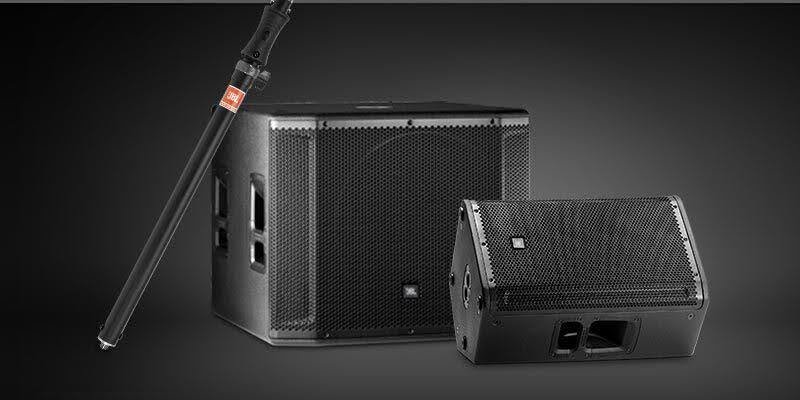
Professional loudspeakers are engineered to control dispersion carefully. They shape how sound travels so it reaches intended areas while avoiding unwanted reflections.
Even Sound Improves Audience Comfort
Listening fatigue is real. Uneven sound forces people to adjust constantly. Leaning forward. Blocking ears. Tuning out.
Balanced coverage reduces this strain. Volume stays comfortable. Conversations flow naturally. Audiences stay present longer because the environment feels supportive rather than demanding.
This comfort directly affects behavior. People remain seated. They pay attention. They respond more positively to what they hear.
Coverage Protects System Performance
Poor coverage often leads to overdriving equipment. Speakers work harder to compensate for gaps. Components heat up. Distortion increases. Failures become more likely.
Systems designed around coverage require less brute force. Speakers operate within safe ranges. Performance stays stable over time.
Professional loudspeakers support this approach because they prioritize controlled output rather than raw power. The system lasts longer and performs more predictably.
One System, Many Listeners
Modern venues host diverse audiences. Standing, seated, moving. One fixed listening position no longer exists. Sound must adapt.
Good coverage ensures consistency across movement. A listener walking through the space hears the same message clearly. There are no sudden drops or spikes. The experience feels intentional.
This consistency strengthens trust. Audiences feel considered rather than overlooked.
Coverage Simplifies Operation
When coverage works, staff intervene less. Volume adjustments become rare. Complaints drop. Technical teams focus on content rather than correction.
This operational ease matters in busy environments. Sound becomes reliable instead of reactive.
Professional loudspeakers play a role here by delivering predictable dispersion patterns that reduce guesswork during setup and tuning.
Why Volume Still Dominates Thinking
Volume is visible. Coverage is not. It takes planning, measurement, and restraint. Many systems fail because they chase what feels impressive rather than what works.
Yet audiences rarely praise loud sound. They praise clarity. Comfort. Ease of listening.
Coverage delivers those outcomes quietly.
Professional loudspeakers support coverage-focused design by offering precision where it matters most. They help systems sound consistent rather than simply powerful.
When sound systems succeed, listeners do not talk about volume. They talk about how easy it was to hear. That reaction signals good coverage.




