


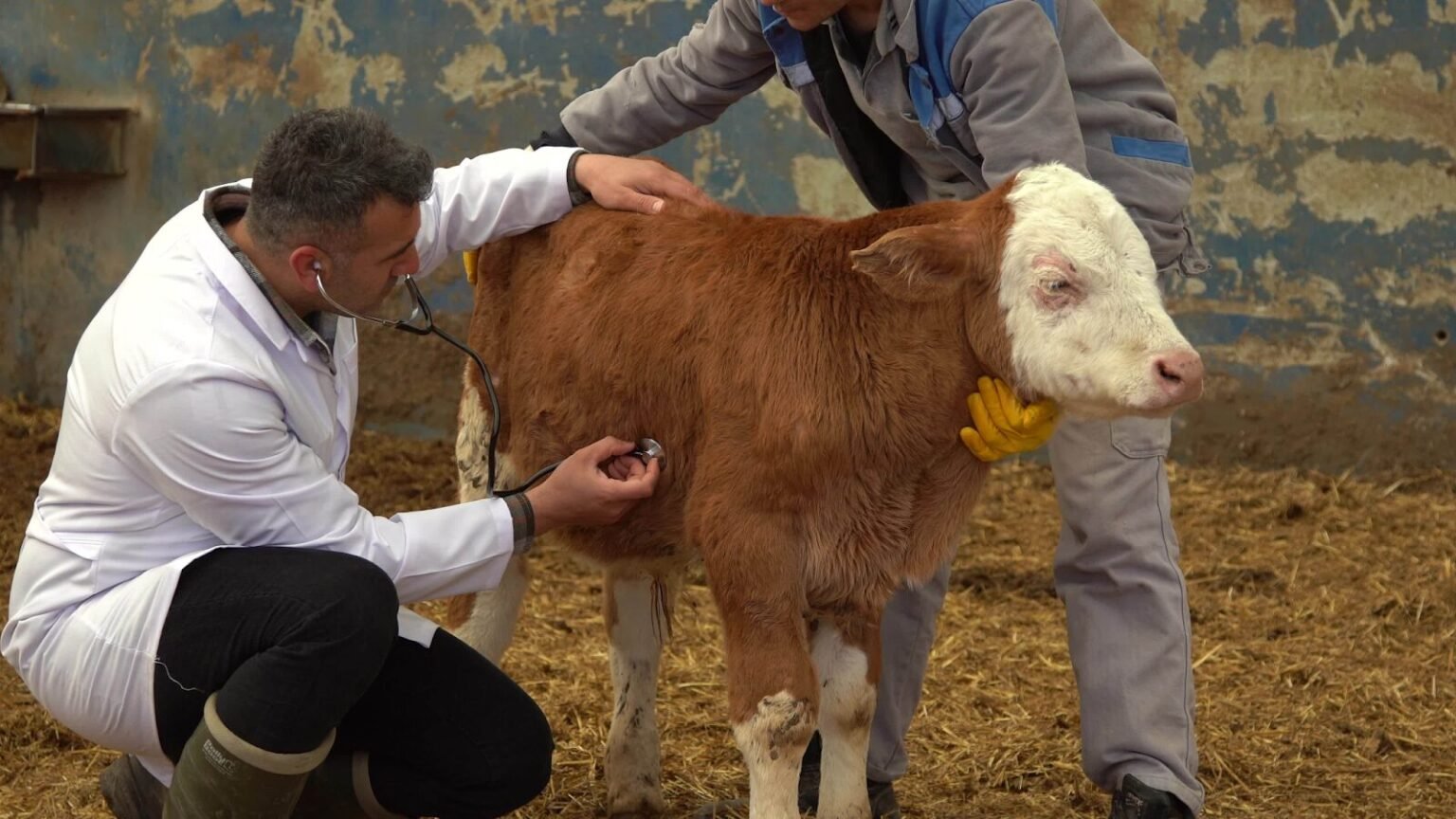

Animal health is all about trust in science and careful control in every single step. That is why, behind the scenes, a veterinary pharma company has to guarantee that medicines protect animals, not hurt them, even in the case of daily use by farmers and pet owners. And the responsibility starts from research up to production, testing, and delivery. And each decision is guided by strict rules regarding safety, ethics, and clear documentation. By following strict systems, these companies lessen risks and enhance treatment outcomes. Simple as it may be, their mission is to provide medicine for recovery, growth, and healthy lives.
- Thorough Research and Careful Ingredient Selection: Safe animal medicine starts long before the production of any one tablet or injection. Scientists will look into animal biology, disease patterns, and efficacy of treatments in the past to select ingredients that are effective yet kind to the animals. Every raw material is checked for purity and the reliability of its source. Only suppliers that have been audited and tested can approve the materials. Early control helps prevent contamination and ensures the medicine will work as planned across different animal species and age groups under real field conditions and varied feeding practices during routine use.
- Strict Quality Testing Before Release: Before medicines hit the market, they go through various quality tests. Samples are tested for strength, stability, and safety over a period of time. Laboratory teams simulate various conditions of storage and transportation to determine how products will behave. Only those batches meeting defined limits are approved. This step protects the animals from weak or unsafe medicines and helps build confidence among veterinarians and animal caregivers. A record in detail enables traceability and quick response upon the appearance of any concerns after distribution in regional markets with different climates and practices of handling worldwide.
- Regulatory Requirements: Veterinary medicines have to be in full observance of national and international legislation. Companies adhere to guidelines approved by the relevant government agency and submit data reviewed by an independent third-party reviewer. Authorities conduct inspections regarding facilities, documentation, and training of employees. The effort of compliance is not a one-time process; it is ongoing. This course of action will make it possible for medicines to be legally, safely, and acceptably used across regions and for different uses. Standardization has been updated to meet the changes in rules and scientific evolution in the animal health sector, which has helped create long-term trust among the stakeholders worldwide in a responsible manner.
- Responsibility Across Teams: People make a big difference in the safety of medicines. Clearly defined roles reduce misunderstandings and errors at work. Empower teams to report without fear of consequences, promoting learning. A responsible organization culture helps maintain high standards when operations expand or during busy schedules. Leading by example, managers will provide strong leadership in reminding people of values, linking safety objectives into daily and strategic decision-making across all functions, locations, and shifts, while ensuring shared accountability and consistent behaviors are always maintained with due care. It is this discipline, care, and respect for life that are more instrumental in providing safe and effective animal medicines.
In conclusion, every phase, from study to testing, is specifically aimed at minimizing risk and optimizing outcomes. Transparency, documentation, and competent people support this system. When all these practices work together, animals receive treatments they can rely on. The role of a veterinary pharma franchise company fits within this system by extending access while following the same standards. It enhances trust over time across veterinary care networks everywhere.




