


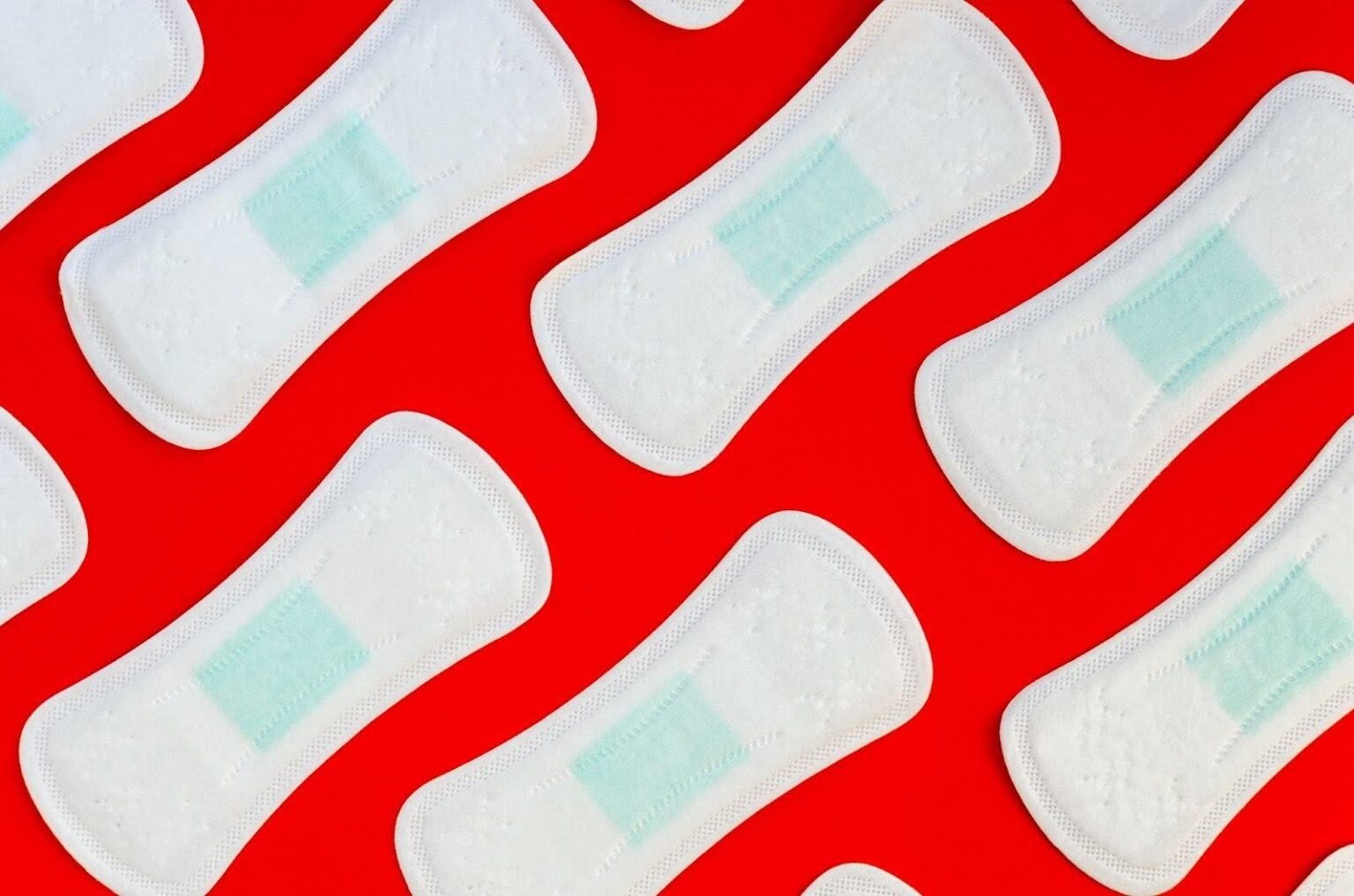

Sanitary pad rashes are a very common problem in menstruating women and are mainly due to moisture, friction, and the use of the same pad for a very long time. They can cause itching, redness and discomfort if they are not taken care of properly. Adhering to the right hygiene and using the right products is key in prevention. Routine simple habits help reduce irritation, and protect sensitive skin.
How to prevent rashes while using sanitary pads for a comfortable period Rashes can be avoided while using sanitary pads so that the period is a comfortable and healthy experience.
Understanding the Causes of Sanitary Pad Rashes
Sanitary pad rashes are often the result of extended periods of sweat, rubbing, and lack of ventilation in the vaginal area. The constant pad-to-skin contact can generate heat and chafe, particularly on days of heavier flow. Some girls may be allergic to certain ingredients such as fragrances or chemicals in the pads, which could cause a rash.
A Bacteria-driven infection is also aggravated by sweat accumulation under the skin. Recognizing those causes is half the battle when it comes to avoiding the pain and damage to your skin.
How to Choose the Right Sanitary Pad for Sensitive Skin
Selecting the right sanitary pad is necessary to prevent irritation and to keep the skin comfortable. Pads that are soft and allow air to flow, like cotton ones, are the best option for sensitive skin as they decrease the friction and help skin breathe. Scented products or treated with chemicals that can alter the natural pH should be avoided.
Selecting the right amount of absorbency for the flow also helps to avoid feeling too wet. A dermatologically tested and hypoallergenic pad is a safer and healthier protection.
Importance of Changing Sanitary Pads Frequently
In the interest of hygiene, it is necessary to change sanitary napkins regularly and dispose of them properly so as to avoid accumulation of moisture. Prolonged use of the same pad causes warm and moist air to accumulate inside, which can lead to the growth of bacteria.
It could cause itching, redness and even infections. Changing pads every four to six hours provides a good level of protection against irritation. Regular changes will keep the skin fresh and strong, and help to prevent irritation while menstruating.
Maintaining Proper Intimate Hygiene During Periods
Good intimate hygiene is the key to preventing rashes when you wear sanitary pads. Washing the external skin with lukewarm water gently cleans the skin without making it dry. Mild, pH balanced cleansers may help maintain the skin’s natural protective barrier.
You should also completely dry the area before putting on a new pad. Cleanliness helps to minimize irritation and support overall menstrual wellbeing.
Best Fabrics to Wear to Prevent Pad Rashes
Wearing types of clothes during periods influence discomfort of the skin. Cotton and other breathable materials promote air flow and reduce sweat build-up. Tight clothing or clothing made from synthetic fibres can trap heat and cause chafing, which can cause rashes.
Loose clothes also reduce incessant rubbing on sensitive skin. Selecting the appropriate fabric helps to keep you dry and not irritated for the rest of the day.
Natural Remedies to Soothe and Prevent Irritation
Home treatments are believed to be sufficient to soothe and relieve inflammation in mild cases of sanitary pad rashes. Aloe vera gel – has soothing, cooling, anti-itch properties. Coconut oil offers a wide range of antimicrobial benefits, and at the same time it moisturizes the skin.
A thin protective layer, applied before wearing a pad, reduces friction. These mild treatments help heal your skin without the harsh chemicals.
How Moisture and Sweat Contribute to Pad Rashes
Moisture and perspiration are key causes of sanitary pad rashes. The more intimate area of the women, gets exposed to moisture for longer duration the skin becomes more prone to irritations. Under the influence of sweat, a pad can trap bacteria and fungi, and sweat-can also irritate the skin.
This heat and humidity combination enhances the irritation and redness. The skin needs to be kept dry for skin to remain healthy during menstruation.
Tips for Preventing Overnight Sanitary Pad Rashes
When douching with overnight pads, take extra precautions to avoid irritation. Changing into a new pad before going to bed will help prevent prolonged exposure to moisture. The use of breathable, high quality pads which are intended for use at night can also make a big difference to comfort.
If you wear underwear to sleep, opt for a pair made from cotton that is loose fitting for better airflow.Good late-night hygiene can prevent rashes and help you sleep well, Hunter said.
When to Switch to Alternative Menstrual Products
In case of frequent occurrences of sanitary pad rashes, you can try switching the type of products. Menstrual cups and tampons allow less skin contact and exposure to outside moisture.
Organic cloth pads provide a chemical-free, breathable solution for those with sensitive skin. Comfort and skin reaction testing can help you to decide which is best. Changing products can make all the difference for this type of recurring irritation.
Effective Treatments for Sanitary Pad Rashes
Sanitary pad rashes are much easier to treat if they are caught early before the symptoms worsen. The faster you clean and dry the area, the quicker you will heal.
A gentle anti-rash cream or a mild antifungal cream can be used if there is still irritation. Rest,And try to stay off it, and let your skin have some air help. Consult your doctor if symptoms worsen or do not resolve.
Conclusion
Maintaining good hygiene, selecting the suitable product, and changing pads regularly are necessary to prevent rashes while using sanitary pads. Maintaining a clean and dry intimate area prevents excess moisture and bacteria.
Using breathable, cotton-based, and unscented pads may help reduce irritation and discomfort. Loose, comfortable clothing can also help protect sensitive skin during periods. A rash-free, comfortable period is in the realm of possibility with a little TLC and some good hygiene habits.